Small team, big impact: how we create content with AI
A look at how we create blogs and articles at en:twine with AI assistance, while people determine the content and remain responsible.
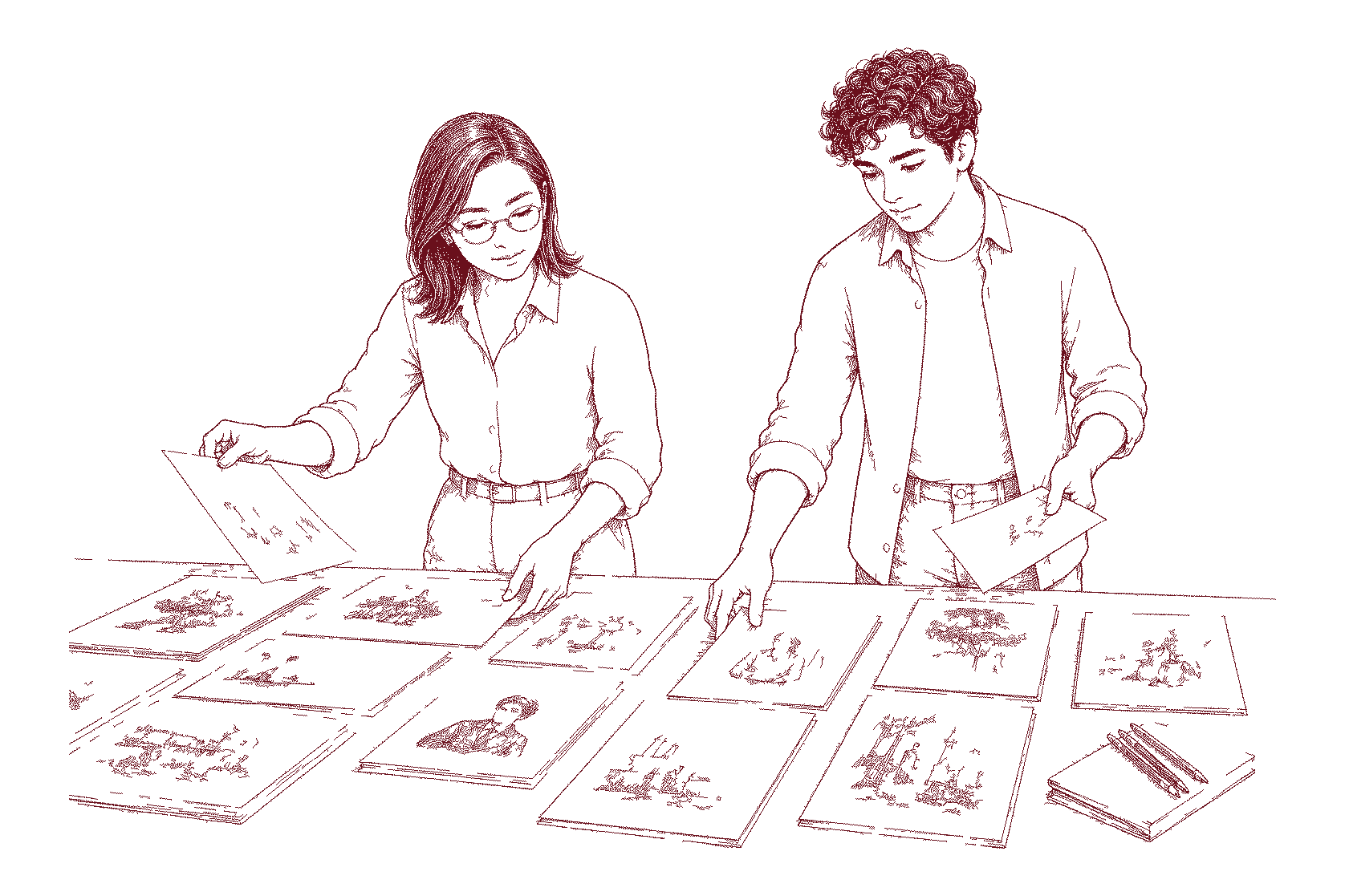
This is the first article in Small team, big impact. In this series, we show how we run en:twine with two people and several AI agents. Those agents help us with research, writing, checks, and other parts of our business. This lets us get much more work done as a small team than was possible a few years ago.
We start with our content. That is deliberately a little meta: for this article, we are using exactly the process we describe below. We show step by step how an idea moves through an automated process of research, writing, and checks before we do the final edit ourselves.
- 01IntentLynn or Dennis defines the goal, audience, and scope.
- 02ResearchAn agent gathers material and looks up sources.
- 03DraftA writing agent creates the first draft.
- 04ReviewReview agents check sources, style, and language.
- 05EditingThe author reviews, refines, and approves.
- 06PublicationPublished after approval, and we learn from the differences.
Step 1: define the intent
For us, AI never starts with an empty document and an instruction to write “something interesting about AI”. Lynn or Dennis first decides what the article should achieve, who it is for, and what the reader should get from it.
For this article, those choices were, for example:
- explain in plain language how our content is created;
- show how much work AI can support while a person remains responsible;
- provide enough insight to make the approach understandable and achievable;
- leave out technical details that add little for readers.
That scope determines almost everything that follows. A loose instruction mainly produces a wall of text. A clear intent gives the entire process direction.
Step 2: gather the material
Next, a research agent gathers the material. It looks at what we already know about the subject, which earlier decisions are relevant, and which facts need checking. If we use figures, legislation, or statements by others, we look up the original source.
That prevents a convincing-sounding sentence from accidentally being treated as fact. It also reveals early on where a subject is more complex than the initial angle suggests.
A good example is our article on the new European transparency rules for AI content. The legal rules, the exceptions, and the voluntary code of practice are different things. That distinction needs to be clear before a reliable first draft can emerge.
Step 3: write the first draft
Using the brief and the research, an agent writes a first draft. That agent helps organise the information, find a logical thread, and explain complex parts in plain language.
This first draft is the foundation, not the final product. Sometimes the structure works straight away. Sometimes the content is right, but a paragraph sounds like it came from a brochure. Sometimes it is missing exactly the explanation a non-technical reader needs. And sometimes a sentence is too categorical.
The first draft therefore never goes straight to us or to the website.
Step 4: let agents check and improve it
After writing, a series of automated checks begins. Different AI agents look at the same text, each from a different role. One focuses on sources and overly strong claims, another on our writing style, clarity, language, or structure.
Their comments go back to the writing agent, which creates a new version, and the checks run again. This lets the text go through several rounds of improvement. Technical checks run too, for example missing sources, broken links, and wording we deliberately avoid.
- Sources and claims
- Writing style
- Language and structure
Feedback returns to the writing agent, which creates a new version. The checks then run again.
So we do not see every individual attempt. We receive a version in which several agents have already checked and improved each other’s work, along with a note on where human judgement is still needed.
Step 5: the human work
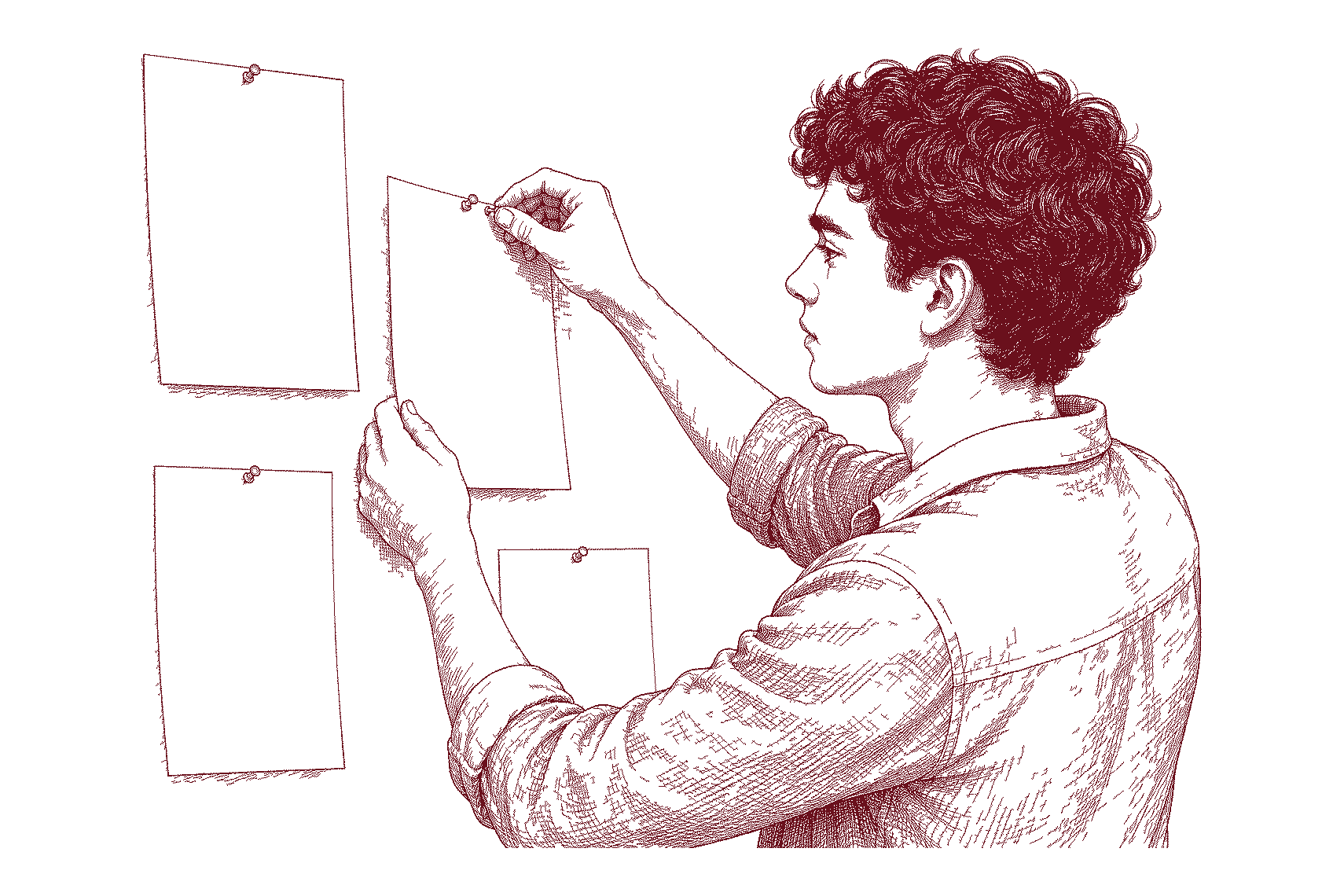
Then Lynn or Dennis reads the article personally. They decide what stays, what needs refining, and what does not fit en:twine. They check whether the explanation is correct, whether the emphasis is right, and whether they really want to stand behind every sentence.
Their comments often start another improvement round. The text then goes through part of the writing and checking process again. The article then goes through human review again. Only when the author is satisfied does the article receive approval.
That human judgement is not a rubber stamp. The author retains editorial responsibility. If wording is incorrect, a source is too weak, or the message does not feel right, we do not publish.
Step 6: publish and learn
After approval, the article is published on the website.
After publication, we can also compare what AI first proposed with what the author ultimately approved. We carry recurring improvements forward into subsequent articles. This makes the process increasingly suited to our way of writing.
This process gives a small team the structure of a larger editorial team. For us, the gain lies in both speed and care: research, writing, and several types of review become fixed parts of every article, while people retain the decisions about substance.
Would you like help with your content too?
Want to explore how a similar process could help your own team? Schedule a conversation with Lynn. We will look at which work AI can support and where human review remains necessary.
A note on how this was made: our content is AI-assisted. We use AI for research and drafting a first concept. A human reviews and edits the text and takes responsibility for everything we publish. Read how we make our content.
Would you like to map this out for your own business?
The AI Readiness Scan takes 10 minutes and identifies which processes to tackle first, with an indication of ROI per use case.